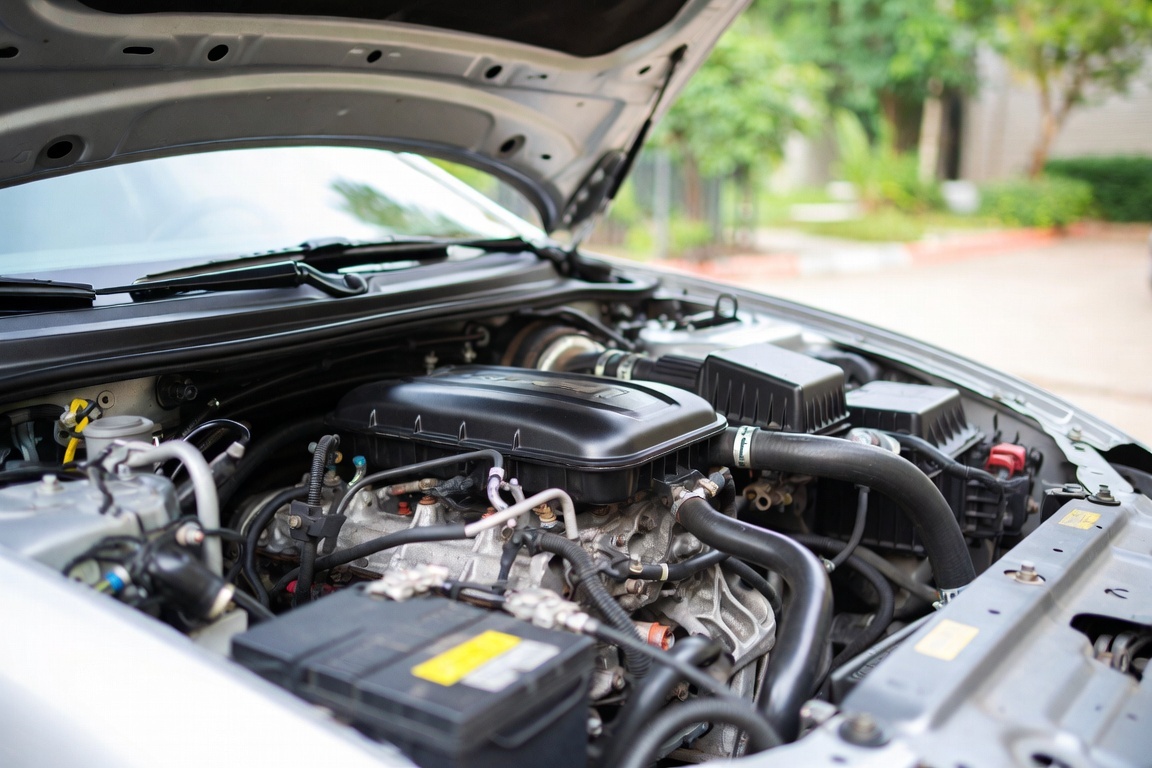
Oil changes are one of the most common maintenance items on a Class 8 truck — and one of the easiest places to either protect the engine or throw money away. Changing oil too early wastes cash on unnecessary service. Stretching it too far risks accelerated wear, higher repair bills, and potential warranty issues.
Here’s how modern diesel engines actually work and when an oil change makes sense.
What the OEMs Actually Recommend
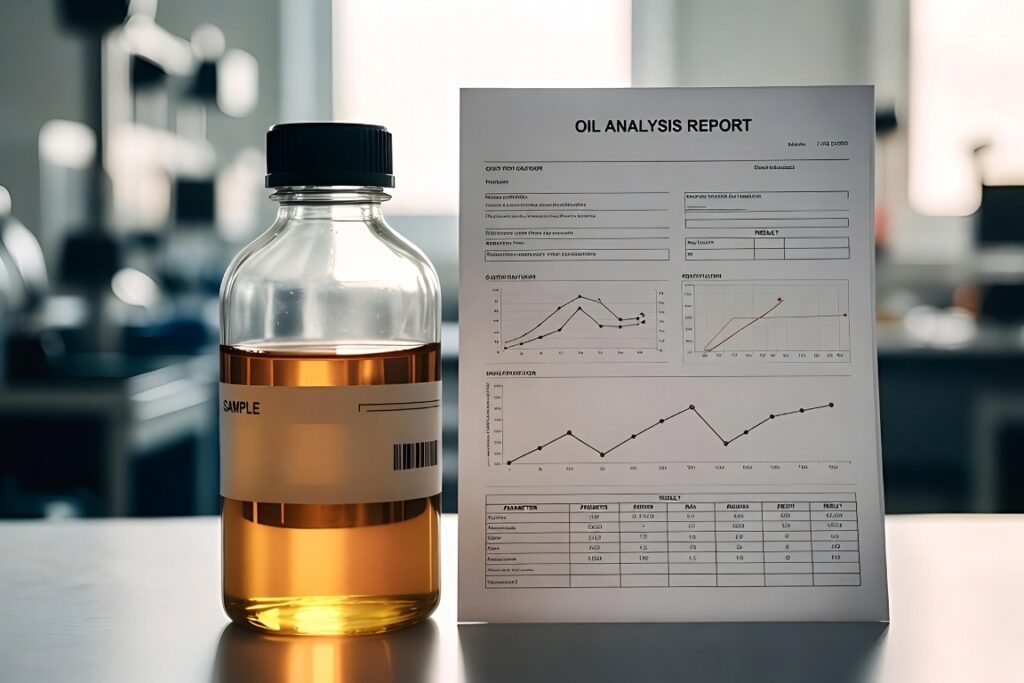
Intervals are no longer a simple fixed number. Major engine makers base recommendations on duty cycle (especially fuel economy), oil type, and sometimes engine hours.
Typical ranges for current Class 8 engines (Cummins X15, Detroit DD13/DD15, PACCAR MX-13, Volvo D13, etc.):
- Severe duty (low MPG, high idle, stop-and-go, vocational): often 15,000–25,000 miles
- Normal / regional: around 25,000–40,000 miles
- Efficient long-haul (higher MPG, steady highway): 50,000–75,000 miles is common with approved oils
Some newer platforms and programs (with approved CK-4 or FA-4 oils and proper monitoring) support even longer drains under the right conditions. Always check the specific manual or maintenance system for your engine. Using the wrong oil or ignoring duty-cycle adjustments voids the published interval.
The Real Decision Tool: Oil Analysis
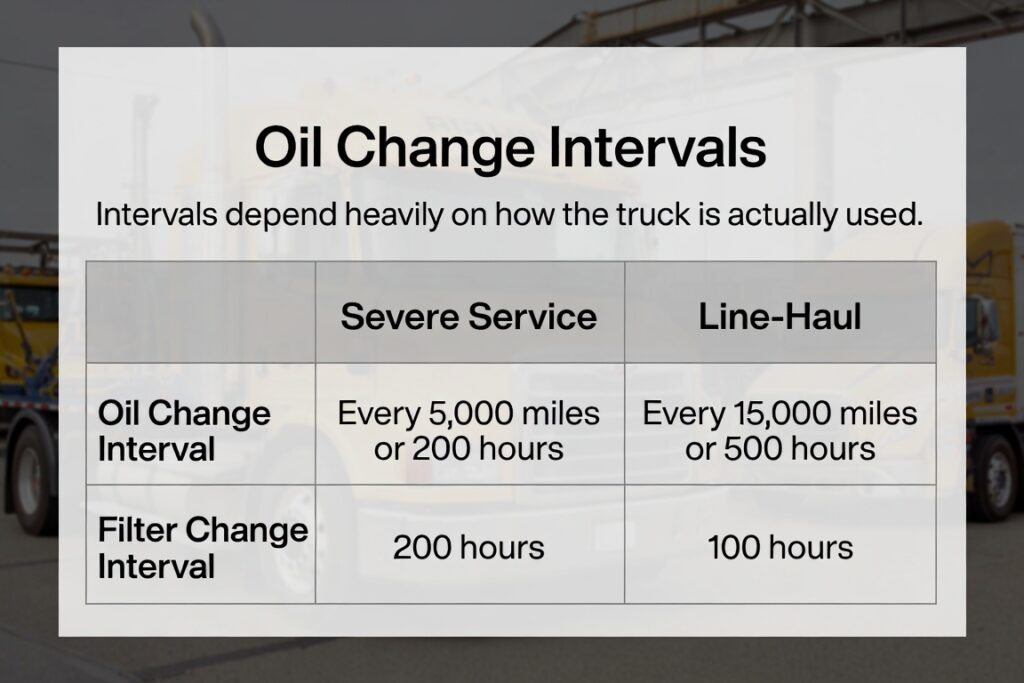
Mileage alone is an estimate. Oil analysis is data.
A laboratory sample (usually $25–40) measures:
- Remaining additive life (Total Base Number / TBN)
- Viscosity (is the oil thinning from fuel dilution or thickening from soot?)
- Wear metals (iron, copper, aluminum, etc.)
- Contaminants (soot, fuel, coolant, dirt)
Many fleets and owner-operators sample at regular points and only change when the oil is actually approaching the end of its useful life. This is the difference between following a calendar and managing the engine based on real condition.
If analysis consistently shows the oil is still strong at your current interval, carefully extending (with OEM guidance and continued sampling) can save several services per year. If results show rapid TBN drop, high soot, or rising wear metals, shorten the interval.
When You’re Probably Wasting Money
- Changing oil every 15,000–20,000 miles on a clean long-haul truck running good synthetic or synthetic-blend oil that the OEM allows for longer drains.
- Ignoring the oil type. Using a lower-spec oil and still trying to run extended intervals.
- Changing solely because “it’s been six months” when the truck has low miles and analysis looks good.
- Skipping the filter when you do change — the filter is part of the system.
Each unnecessary oil and filter service costs money (oil, filter, labor, disposal, and downtime). On a high-mileage truck those extras add up fast.
When You Should Change Sooner Than the Book Says
- High idle time or very low average speed (oil doesn’t reach proper temperature often enough).
- Heavy soot loading from short trips or poor combustion.
- Fuel dilution (common with certain aftertreatment strategies or injector issues).
- Coolant contamination or other abnormal results from analysis.
- Extreme temperatures or dusty environments.
- After a major repair that could introduce debris.
Dark oil color by itself is normal in diesels because of soot suspension — color alone is a poor guide. Analysis is far more reliable.
Practical Approach for Most Drivers and Small Fleets
- Know your engine’s official interval for your duty cycle and approved oil.
- Use the correct CK-4 or FA-4 oil specified by the manufacturer.
- Start oil analysis if you want to optimize (especially if running longer intervals).
- Track both miles and engine hours — high idle time matters.
- Change the oil filter at every drain.
- Keep records. Good documentation protects warranty claims.
Bottom Line
Modern diesel oils and engines are designed for longer life than many drivers still assume. Changing oil on a rigid short schedule “just to be safe” often wastes money without improving reliability. Running far beyond the OEM limit without analysis is gambling with the engine.
The smart middle ground is following the manufacturer’s duty-cycle guidance and using oil analysis when you want to fine-tune. That combination protects the engine and keeps more money in your pocket.
Leave a Reply